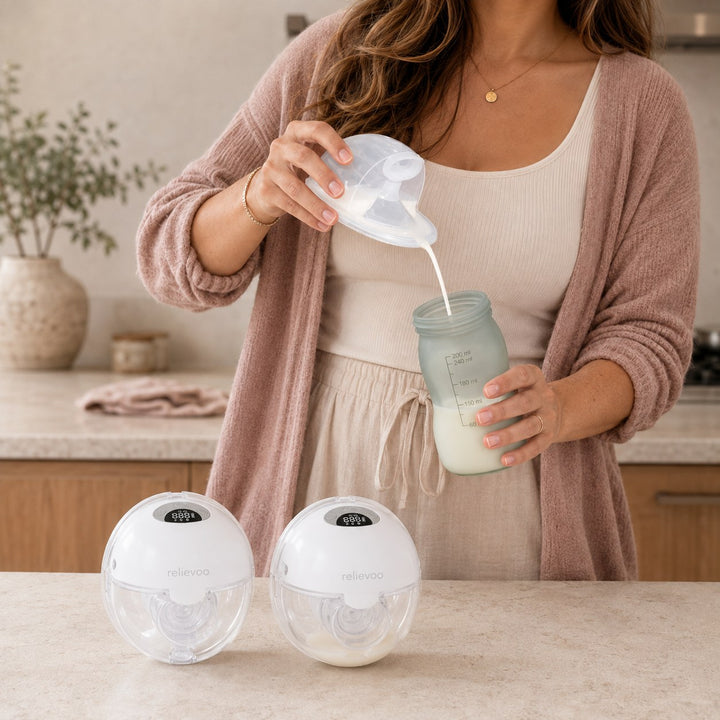
What Makes Willow Different From Other Wearable Breast Pumps
Short answer Willow and Elvie differ mainly in design philosophy: Willow focuses on leak-proof, in-bra collection with reusable containers, while Elvie prioritizes a slim, quiet profile with app connectivity. Neither brand publishes suction strength in mmHg, so comparing them for low supply is not straightforward. Instead, look for pumps with multiple modes and adjustable levels, and consult a lactation consultant for personalized guidance.
Choosing a wearable breast pump is a personal decision, and when low milk supply is a concern, the stakes can feel even higher. Many moms wonder what makes Willow different from other wearable breast pumps and whether it offers better suction strength than Elvie for mothers with low supply issues. This guide breaks down the key differences between these two popular options, explains what to look for in suction and comfort, and offers a practical, step-by-step approach to finding the pump that fits your body and your routine.

Understanding Wearable Breast Pumps and Low Supply
Wearable breast pumps are designed to fit inside your bra, allowing you to express milk hands-free while you move around, work, or care for your baby. Unlike traditional pumps with tubes and bottles that hang below, wearable pumps collect milk in discreet cups. This convenience is one of the main reasons they have become so popular among nursing moms.
When low milk supply is a concern, it is natural to look for a pump with strong suction. However, suction strength is not the only factor that matters. The CDC and the American College of Obstetricians and Gynecologists (ACOG) both emphasize that frequent, effective milk removal is key to maintaining supply. A pump that fits well, feels comfortable, and mimics your baby's natural sucking rhythm can be more effective than one with the highest suction setting.
It is also worth noting that neither Willow nor Elvie publishes suction strength in millimeters of mercury (mmHg), which is the standard unit used to measure pump vacuum. This means a direct comparison of suction strength between the two is not possible based on publicly available information. Instead, it is more useful to compare the features that affect how well a pump works for you personally.
| Feature | Details |
|---|---|
| Type | Wearable, in-bra, hands-free double electric breast pump (sold as a set of two cups) |
| Modes | 4 — Stimulation, Suction, Massage, Automatic |
| Levels | Up to 12 adjustable levels with intelligent suction & frequency adjustment |
| Controls | On-device LED display + touch buttons (mode, +, −, power), no app, no Bluetooth |
| Materials | BPA-free, food-grade PP and soft medical silicone in the milk path |
What Makes Willow Different From Other Wearable Pumps
Willow is a well-known brand in the wearable pump space, and it has a few distinctive features that set it apart from other options, including Elvie.
Leak-Proof, In-Bra Collection
One of the most notable differences is Willow's leak-proof design. The pump is designed to collect milk directly into bags or reusable containers that sit inside your bra. This means you can bend, move, and even lie down without worrying about spills. For moms who need to pump while doing household tasks or caring for older children, this can be a significant advantage.
App Connectivity and Smart Features
Willow pumps connect to a smartphone app that allows you to monitor your session, track milk volume, and control the pump remotely. This can be helpful for moms who like to review their pumping patterns over time. Elvie also offers app connectivity, so this is not a unique feature, but the implementation differs between the two brands.
360-Degree Breast Shield
Some Willow models feature a 360-degree breast shield, which is designed to allow milk to flow in any direction. This can make the pump more forgiving when you are moving around, as the milk does not need to pool in a specific spot to be collected.
These features make Willow a strong choice for moms who prioritize mobility and spill-proof collection. However, they also come with a higher price point, which may not be accessible for every family.
Willow vs Elvie: A Side-by-Side Look
Elvie is another leading wearable pump brand, and it takes a slightly different approach. Elvie pumps are known for their slim, sleek profile and quiet operation. They also connect to an app and offer adjustable suction levels. The main difference is that Elvie uses traditional bottle collection, which means you need to be more careful about your posture to avoid spills.
Here is a quick comparison of the two brands based on their general design philosophies:
| Feature | Willow | Elvie |
|---|---|---|
| Collection method | Leak-proof bags or reusable containers | Traditional bottles |
| Mobility | High, can bend and move freely | Moderate, best when upright |
| App connectivity | Yes | Yes |
| Suction levels | Multiple adjustable levels | Multiple adjustable levels |
| Published suction strength (mmHg) | Not disclosed | Not disclosed |
| Price range | Higher | Higher |
Neither brand publishes its suction strength, so claims about one being stronger than the other are not supported by available data. What matters more is how the pump feels on your body and whether it effectively removes milk during your sessions.
How to Evaluate Suction Strength for Low Supply
If you are concerned about low supply, it is important to understand how suction works and what to look for in a pump.
What to Look For in Suction
Effective suction is not about maximum power. It is about finding a rhythm and intensity that triggers your let-down reflex and removes milk efficiently. Look for a pump that offers multiple modes and a wide range of adjustable levels. A stimulation mode with a light, quick rhythm can help encourage let-down, while a suction mode with a deeper, slower rhythm can mimic your baby's natural suckling.
Flange Fit Matters
The flange is the part of the pump that fits over your breast. A proper fit is essential for both comfort and effectiveness. If the flange is too small, it can cause pain and restrict milk flow. If it is too large, it may not create a proper seal. Many pumps come with multiple flange sizes, and a lactation consultant can help you determine the right fit. You can also read more in our flange size guide for general tips.
Comfort and Consistency
Pumping should not hurt. If you experience pain, it is a sign that something is not right, whether it is the flange size, the suction level, or the positioning of the pump. A comfortable pump is one you will use consistently, and consistency is what supports milk supply. The Office on Women's Health and La Leche League USA both offer guidance on comfortable pumping and maintaining supply.

A Step-by-Step Guide to Choosing Your Pump
Choosing between Willow, Elvie, and other wearable pumps does not have to be overwhelming. Follow these steps to narrow down your options and find the pump that works for your body and your lifestyle.
- Assess your daily routine. Think about where and when you will pump. Will you be at a desk, moving around, or lying down? This will help you decide whether a leak-proof design like Willow or a slim profile like Elvie matters more to you.
- Consider your comfort priorities. Do you prefer a pump with app connectivity, or do you want something simple with on-device controls? Some moms love tracking data, while others prefer a pump that works without a phone.
- Check the flange sizes included. Make sure the pump comes with multiple flange sizes or that you can purchase the right size separately. A proper fit is critical for comfort and effectiveness.
- Look at the modes and levels. A pump with multiple modes and adjustable levels gives you more control over your session. This is especially important if you have sensitive breasts or are dealing with engorgement.
- Set a realistic budget. Wearable pumps range widely in price. Decide what you are comfortable spending, and remember that a higher price does not always mean better suction or better results for your body.
- Read the care instructions. Consider how easy the pump is to clean and sterilize. Parts that touch your milk need regular cleaning, and a pump with fewer parts is often easier to maintain.
- Talk to a professional. If you have concerns about low supply, a lactation consultant can offer personalized advice. They can also help you evaluate whether a wearable pump is the right choice for your situation.
Common Mistakes to Avoid
When choosing and using a wearable pump, a few common mistakes can get in the way of a good experience.
- Choosing a pump based on price alone. The most expensive pump is not necessarily the best fit for your body. Focus on features that matter to you.
- Ignoring flange fit. Using the wrong flange size can cause pain and reduce milk output. Take the time to measure and try different sizes.
- Turning the suction too high. Higher suction does not always mean more milk. If pumping hurts, lower the level and focus on comfort.
- Not pumping consistently. Supply is supported by frequent, regular milk removal. A pump you dread using is harder to use consistently.
- Skipping the massage or stimulation mode. Starting with a gentle stimulation phase can help trigger let-down and make the session more effective.
Considering the Relievoo M22 PRO2 as an Alternative
If you are comparing options, it can help to look beyond the two biggest names in wearable pumps. The Relievoo M22 PRO2 is a hands-free, in-bra double pump designed with comfort in mind. It offers four modes across twelve soft levels, including a dedicated massage mode for engorgement and tenderness. The pump is ultra-quiet, has no app to download, and uses BPA-free, food-grade materials in the milk path. It is priced at $119.90 for the double set, which may be a more accessible option for many families.
While the M22 PRO2 does not publish suction strength in mmHg either, its intelligent suction and frequency adjustment are designed to let you shape each session to feel right for you. For moms who want a gentle, straightforward pump without the complexity of app connectivity, it is worth considering. You can browse all Relievoo breast pumps to see what fits your needs.
Final Thoughts on Willow vs Elvie for Low Supply
So, what makes Willow different from other wearable breast pumps, and does it have better suction strength than Elvie for mothers with low supply issues? The honest answer is that Willow differs in its leak-proof design and collection method, but neither Willow nor Elvie discloses suction strength in a way that allows for a direct comparison. Both pumps offer adjustable levels, and both have loyal followings among moms.
For low supply concerns, the most important factors are fit, comfort, and consistency. A pump that feels good and fits well will be used more often, and frequent, effective milk removal is what supports supply. If you are unsure which pump is right for you, talk to your OB-GYN, a lactation consultant, or your healthcare provider. They can offer guidance based on your specific needs.
Remember that every mom's body is different. What works for one person may not work for another. Take your time, compare your options, and choose the pump that feels right for you. If you have questions about a specific product, Relievoo customer service is available to help.
Frequently asked questions
What makes Willow different from other wearable breast pumps?
Willow stands out for its leak-proof, in-bra design that lets you collect milk directly into bags or reusable containers without spilling. It also offers app connectivity and a 360-degree breast shield on some models. These features make it a popular choice for moms who want maximum mobility while pumping.
Does Willow have better suction strength than Elvie for low supply?
Neither Willow nor Elvie publishes suction strength in millimeters of mercury (mmHg), so a direct comparison is not possible. Both pumps offer multiple suction levels, but effectiveness for low supply depends on factors like flange fit, frequency of pumping, and overall comfort. A lactation consultant can help you assess which pump might work best for your situation.
Can you breast pump laying down?
Yes, you can pump while lying down, but it is important to position the pump correctly to avoid spills. Wearable, in-bra pumps are generally easier to use in reclined positions than traditional pumps with bottles hanging below. Always follow the manufacturer's instructions for safe positioning.
Is breast pumping supposed to hurt?
No, breast pumping should not hurt. Some discomfort can occur if the flange does not fit properly, if the suction is too high, or if the breast is engorged. If pumping is painful, try adjusting the flange size or lowering the suction level. Persistent pain is a reason to talk to your OB-GYN, a lactation consultant, or your healthcare provider.
How should a breast pump flange fit?
A properly fitting flange allows your nipple to move freely without rubbing against the sides, while your areola is drawn in minimally. If the flange is too small or too large, it can cause discomfort and reduce milk expression. Many pumps include multiple flange sizes, and a lactation consultant can help you find the right fit.