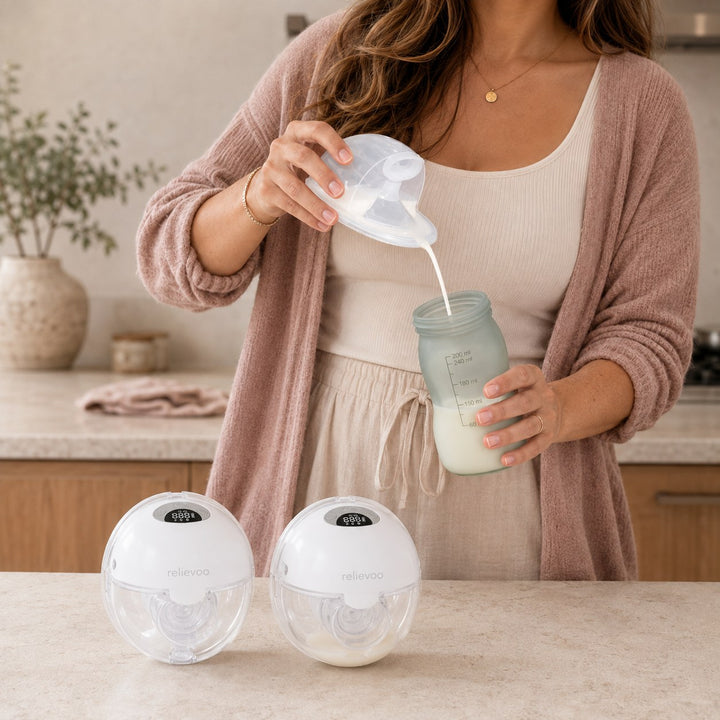
The Best Way to Warm a Bottle on the Go: A Step-by-Step Guide
Short answer The best way to warm a bottle on the go is with a portable, cordless bottle warmer that heats the liquid directly to a safe feeding temperature. These devices are rechargeable, fit in a diaper bag, and work with any bottle brand. For occasional outings, an insulated thermos of hot water is a simple backup.
Warming a bottle while you are out with your baby is one of those small tasks that can feel surprisingly complicated. You are not near a kitchen sink, there is no microwave in sight, and your little one is letting everyone know that now is the time. The good news is that there are several reliable ways to warm a bottle on the go, and with a little planning, you can handle feedings anywhere with confidence.

This guide walks through the main options, step by step, so you can compare them and decide what fits your routine best. We will look at portable electric warmers, insulated thermoses, and a few other common methods, along with the safety points that matter most for breast milk and formula.
Why warming method matters
Babies often prefer a warm bottle, but the reason to warm milk carefully goes beyond comfort. Heating breast milk too quickly or too unevenly can create hot spots that risk burning your baby's mouth. Overheating can also damage some of the beneficial components in breast milk. The Centers for Disease Control and Prevention (CDC) offers detailed guidance on the safe preparation, storage, and handling of breast milk and formula, and it is a good idea to review their recommendations as part of your feeding routine. You can read more on the CDC breastfeeding page.
The method you choose matters for another reason: convenience. A method that works at home, like a stovetop pan of water, is not practical in a parking lot or at a park bench. The best approach for you depends on how often you are out, how long your outings last, and whether you are warming breast milk or formula.
| Feature | Details |
|---|---|
| Heat time | Fridge-cold to 37 °C in 2 minutes (60 seconds from room temperature) |
| Battery | 10,000 mAh, up to 14 hr use, at least 12 bottles per charge |
| Temperature accuracy | Adjustable 37 °C to 60 °C (±1 °C) |
| Capacity | Up to 300 ml (10 oz) stainless steel chamber |
| Weight | 280 g |
| Materials | Food-grade stainless steel + BPA-free ABS |
The main options for warming on the go
There are three practical approaches to warming a bottle away from home. Each has its strengths, and none is right for every family.
Portable electric bottle warmers
Portable electric warmers are the most direct solution. These are cordless, rechargeable devices designed to heat a bottle to a safe feeding temperature without needing a wall outlet. They are compact enough to slip into a diaper bag, and many can hold a steady temperature for hours, which is helpful for long outings.
The Relievoo Cordless Bottle Warmer Pro is one example of this type. It heats the liquid directly in a food-grade stainless steel chamber, then you pour the warmed milk or formula into your own bottle. This design means it fits any bottle brand you already own, with no adapters needed. It warms a fridge-cold bottle to a feeding temperature of 37 °C in about 2 minutes, and holds that temperature within ±1 °C. The USB-C rechargeable battery lasts for up to 14 hours, which covers at least 12 bottles on a single charge. It also doubles as a power bank for your phone, which can be a handy backup when you are out all day.
For parents who are out frequently, a portable electric warmer is often the most reliable choice. It removes the guesswork from warming and gives you a consistent result every time.
Insulated thermoses and hot water
A simpler, low-tech option is to carry hot water in an insulated thermos. When it is time to feed, you pour the hot water into a cup or bowl, place the bottle in it for a few minutes, and wait for the milk to warm. This method works with any bottle and requires no electricity.
The trade-off is that it takes longer and is harder to control. You cannot set a precise temperature, and the water cools down over time. You also need to carry a separate container and find a safe place to use it. Still, for the occasional outing, a thermos is a lightweight and dependable backup.
Insulated bottle bags or pouches
Insulated bags and pouches do not warm a bottle, but they can keep a freshly warmed bottle at a comfortable temperature for a while. These are useful when you warm a bottle at home or in a cafe and then need to keep it warm during a short trip. They are not a solution for warming a cold bottle from scratch, so they work best as a complement to another method.
Step-by-step: warming a bottle with a portable warmer
If you choose a portable electric warmer, the process is straightforward. Here is a general step-by-step guide. Always check the instructions that come with your specific warmer, as details can vary.
- Prepare the bottle. Have your breast milk or formula ready in a bottle, or have it measured out so you can pour it into the warmer's chamber. Follow the CDC's guidance for safe preparation and storage of breast milk and formula.
- Set the temperature. For breast milk, a gentle temperature around 37 °C is a good target, as it stays well below the point where antibodies begin to break down. The Relievoo Cordless Bottle Warmer Pro lets you adjust the temperature from 37 °C to 60 °C in 1 °C steps.
- Heat the liquid. Place the milk or formula in the warming chamber and start the cycle. The Relievoo Cordless Bottle Warmer Pro heats a fridge-cold bottle to 37 °C in about 2 minutes, and it signals with a beep and a visual cue when the liquid is ready. The beep can be switched off for quiet nighttime feeds.
- Pour and check. Pour the warmed liquid into your bottle. Before feeding, test the temperature by shaking a few drops onto the inside of your wrist. It should feel lukewarm, not hot.
- Feed and clean. After the feed, wipe the chamber with a damp cloth or rinse it with warm soapy water and let it air-dry. The food-grade stainless steel chamber on the Relievoo Cordless Bottle Warmer Pro wipes clean in seconds.
Comparing the options side by side
To help you decide, here is a comparison of the main warming methods. The Relievoo column reflects the features of the Cordless Bottle Warmer Pro.
| Criterion | Portable electric warmer (Relievoo Cordless Bottle Warmer Pro) | Insulated thermos with hot water | Insulated bottle bag or pouch |
|---|---|---|---|
| Heat time | About 2 minutes from fridge-cold to 37 °C | Several minutes, depends on water temperature | Does not heat; only holds warmth |
| Temperature control | Adjustable 37 °C to 60 °C, ±1 °C accuracy | No precise control | No control |
| Portability | Compact, 280 g, fits in a diaper bag | Requires carrying a thermos and a cup or bowl | Lightweight, but adds bulk |
| Power source | USB-C rechargeable, up to 14 hours of use | None needed, but water cools over time | None needed |
| Bottle compatibility | Works with any bottle brand, heats the liquid directly | Works with any bottle | Depends on the size of the pouch |
| Ease of cleaning | Wipe the stainless steel chamber with a damp cloth | Clean the thermos and any containers used | Spot clean the pouch |
| Best for | Frequent outings, long days, precise warming | Occasional use, simple backup | Keeping a freshly warmed bottle warm for a short trip |
Common mistakes to avoid
Whatever method you choose, there are a few pitfalls that are worth avoiding. These are the mistakes that can make warming on the go frustrating, or worse, unsafe.
Using a microwave
Microwaves heat unevenly, which can create hot spots in the milk that could burn your baby's mouth. The CDC advises against microwaving breast milk or formula for this reason. Even if you shake the bottle well, the temperature can still be inconsistent. Skip the microwave entirely, both at home and on the go.
Overheating the milk
Heating breast milk too much can damage some of its beneficial properties. The CDC and the Office on Women's Health both offer guidance on warming breast milk safely. A portable warmer with a precise temperature setting, like the Relievoo Cordless Bottle Warmer Pro, helps you avoid this by holding a steady, gentle temperature.
Not checking the temperature
Always test the temperature before feeding, even if you have used the same warmer many times. The wrist test is simple and effective: shake a few drops onto the inside of your wrist, and it should feel lukewarm. If it feels hot, let it cool for a minute and test again.
Reheating leftover milk
Once your baby has fed from a bottle, any leftover milk should be discarded. Reheating milk that has been partially drunk can introduce bacteria. This is true at home and on the go, so it is a good idea to prepare smaller amounts if you are unsure how much your baby will take.

How to keep a bottle warm for longer outings
For long days out, you have two goals: warm the bottle when you need it, and keep it at a safe temperature until feeding time. A portable warmer with a keep-warm function can help with both. The Relievoo Cordless Bottle Warmer Pro holds your set temperature for up to 14 hours, so you can warm the milk and it stays ready until your baby asks for it. This is especially useful for plane trips, long car rides, or days at the park where you are not sure exactly when the next feed will happen.
If you are using a thermos method, you can warm the bottle shortly before you expect to feed, then transfer it to an insulated pouch to keep it warm for the short window before feeding. This approach works, but it requires a bit more timing and attention.
Verdict: which option suits you?
There is no single best way to warm a bottle on the go, because every family's routine is different. Here is a clear breakdown of who each option suits best.
- Choose a portable electric warmer if: you are out frequently, you want a consistent and precise temperature every time, and you prefer not to carry extra containers. The Relievoo Cordless Bottle Warmer Pro is a strong fit for this group, with its 2-minute heat time, 14-hour battery, and compatibility with any bottle brand.
- Choose an insulated thermos if: you only need to warm a bottle occasionally, you do not mind waiting a few extra minutes, and you want a low-tech option with no charging to think about.
- Choose an insulated bottle bag if: you usually warm the bottle at home or in a cafe and just need to keep it warm during a short trip to your destination.
Many parents find that a combination works best: a portable warmer for everyday outings, and a thermos as a backup for emergencies. The key is to have a plan before you leave the house, so you are not scrambling when your baby is hungry.
Safety reminders for warming on the go
A few final safety points are worth keeping in mind, no matter which method you choose.
First, always follow the current guidance from trusted health organizations. The CDC, the American College of Obstetricians and Gynecologists (ACOG), and HealthyChildren.org from the American Academy of Pediatrics all provide reliable information on breastfeeding, bottle feeding, and safe milk handling. The Office on Women's Health and La Leche League USA are also excellent resources for breastfeeding support.
Second, never warm a bottle while you are driving or doing anything that takes your attention away from the road. Pull over and warm the bottle when you are safely parked.
Third, if you have questions about your baby's feeding, or if you are concerned about your milk supply or your baby's intake, talk to your pediatrician, your OB-GYN, or a lactation consultant. They can offer personalized guidance based on your situation.
Conclusion
Warming a bottle on the go does not have to be a source of stress. With a portable electric warmer, you can have a bottle at the right temperature in about 2 minutes, anywhere, without needing a wall outlet. With a thermos and a little patience, you can manage the occasional outing just fine. And with an insulated pouch, you can keep a freshly warmed bottle ready for a short trip.
The best approach is the one that fits your daily rhythm. If you are out often and want a reliable, precise, and convenient solution, a portable warmer like the Relievoo Cordless Bottle Warmer Pro is worth considering. It heats the liquid directly, so it works with any bottle you already own, and it holds a gentle 37 °C for breast milk. For those who are still comparing their options, you can also explore the Relievoo M22 PRO2 wearable breast pump or browse the full collection of breast pumps to see what else might support your feeding journey.
Whichever method you choose, a little preparation goes a long way. Pack your warmer or thermos the night before, keep a spare bottle of water or milk ready, and you will be set for whatever your day brings.
Frequently asked questions
How does a bottle warmer work?
A portable bottle warmer heats the liquid directly, either by warming the bottle itself or by heating the milk or formula in a chamber before you pour it into the bottle. The Relievoo Cordless Bottle Warmer Pro heats the liquid to your chosen temperature, then you pour it into your own bottle. This approach avoids hot spots and works with any bottle brand.
What bottle warmer is best for breast milk?
For breast milk, look for a warmer that lets you set a gentle, precise temperature. The Relievoo Cordless Bottle Warmer Pro holds a stable 37 °C within ±1 °C, which keeps the milk well below the temperature where antibodies start to break down. Always follow current storage and warming guidance from the CDC or the Office on Women's Health.
Are bottle warmers necessary?
Bottle warmers are not strictly necessary, but they make feeding on the go much easier and safer. They heat milk evenly without the hot spots that a microwave can create, and they hold a consistent temperature so the bottle is ready when your baby is. For many parents, the convenience is well worth the small amount of extra gear.
How long does a bottle warmer take?
Most portable electric warmers heat a bottle in a few minutes. The Relievoo Cordless Bottle Warmer Pro takes about 2 minutes to bring a fridge-cold bottle to 37 °C, and about 60 seconds from room temperature. Always check the temperature before feeding, and follow the manufacturer's instructions for your specific warmer.
Can you warm formula in a bottle warmer?
Yes, you can warm prepared formula in a bottle warmer. The Relievoo Cordless Bottle Warmer Pro is safe for breast milk, formula, and water. If you are warming formula that was prepared in advance, follow the storage and handling guidance from the CDC to keep it safe for your baby.