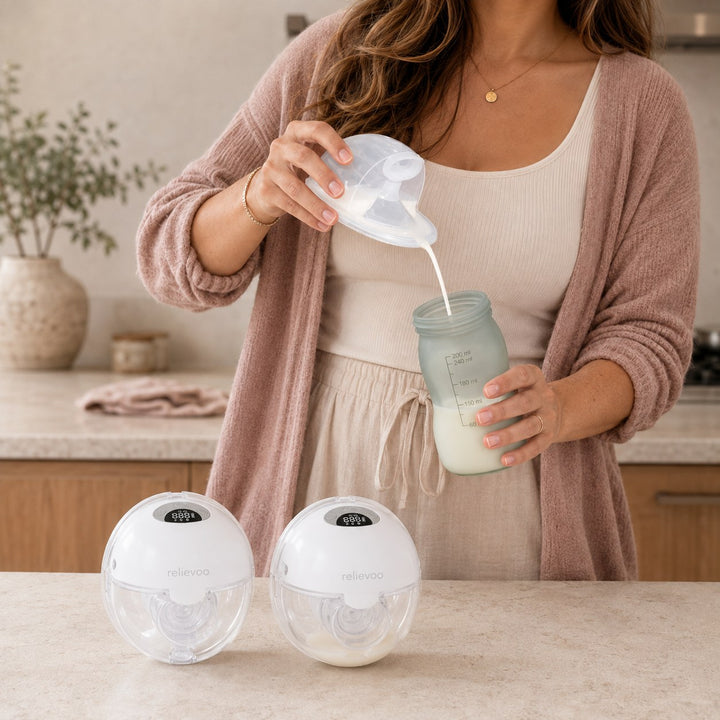
A Step-by-Step Guide to HSE Breast Milk Storage
Introduction to Breast Milk Storage
If you have any concerns or questions, you can also contact the HSE's breastfeeding support line on 1850 24 1850 or Cuidiú's helpline on 01 462 2190.
Step-by-Step Guide to Storing Breast Milk
Step 1: Expressing and Handling Breast Milk
When expressing breast milk, it's essential to handle it safely to prevent contamination. Wash your hands thoroughly before expressing, and use a clean container to store the milk.
Step 2: Storage Containers and Bags
Use breast milk storage bags or containers that are specifically designed for storing breast milk. These bags and containers are usually BPA-free and have a secure seal to prevent leakage. You can find these at most baby stores or online, and they're a worthwhile investment for any breastfeeding mum.
Step 3: Labeling and Dating
Label each bag or container with the date and time it was expressed, as well as your baby's name (if applicable). This ensures that you use the oldest milk first and helps with organization. I recommend using a permanent marker to label the bags, and storing them in a designated area of your fridge or freezer.
Storage of Breast Milk Guidelines
How Many Hours Can Breast Milk be Stored
According to the HSE, breast milk can be stored at room temperature (up to 26°C) for up to 6 hours. However, it's recommended to store it in the fridge as soon as possible. If you're expressing milk at work or on-the-go, consider using a cooler bag with ice packs to keep the milk cool until you can refrigerate it.
How Long Can Breastmilk be Stored at Room Temperature
The HSE guidelines state that breast milk can be stored at room temperature for up to 6 hours, but it's best to store it in the fridge within 4 hours. If you're at home, try to express and store your milk in a well-ventilated area to prevent bacterial growth.
How Much Time Breastmilk Can be Stored Without Refrigeration
Breast milk can be stored without refrigeration for up to 6 hours, but it's recommended to store it in the fridge as soon as possible to maintain its quality and safety. If you're planning a day out with your baby, consider packing a small cooler bag with ice packs to store your expressed milk.

Common Mistakes to Avoid
Incorrect Storage Temperatures
Storing breast milk at incorrect temperatures can lead to bacterial growth and spoilage. Always store breast milk in the fridge at a temperature of 4°C or below. Check your fridge temperature regularly to ensure it's at a safe level, and consider investing in a fridge thermometer for added peace of mind.
Insufficient Labeling
Failing to label breast milk storage bags or containers can lead to confusion and potential safety issues. Always label each bag or container with the date, time, and your baby's name (if applicable). This will help you keep track of how long the milk has been stored and ensure you're using the oldest milk first.
Using Breast Milk Storage Bags
How to Use Breast Milk Storage Bags
To use breast milk storage bags, simply express your milk into the bag, seal it securely, and label it with the date and time. You can then store it in the fridge or freezer. When sealing the bag, make sure to press out as much air as possible to prevent bacterial growth and spoilage.
How to Use Motif Breast Milk Storage Bags
Motif breast milk storage bags are designed for safe and convenient storage of breast milk. To use them, follow the same steps as above, and make sure to seal the bag securely to prevent leakage. These bags are a great option for mums who want a reliable and easy-to-use storage solution.

If you are comparing options, you can take a look at our wearable breast pump M22 PRO2 or browse all our breast pumps.
Frequently Asked Questions
For more information on breast milk storage, check out our FAQ section below. If you have any further questions or concerns, don't hesitate to reach out to your local HSE breastfeeding support team or Cuidiú's helpline on 01 462 2190.
-
Q: How do I store breast milk in the fridge?
A: Store breast milk in the fridge at a temperature of 4°C or below. Use airtight containers or breast milk storage bags to prevent contamination, and keep them at the back of the fridge to maintain a consistent temperature. -
Q: Can I store breast milk in the freezer?
A: Yes, you can store breast milk in the freezer for up to 6-12 months. Use airtight containers or breast milk storage bags and label them with the date and time. When freezing, it's best to store the milk in small amounts (around 60-120ml) to make it easier to thaw and use. -
Q: How do I thaw frozen breast milk?
A: To thaw frozen breast milk, simply place the storage bag or container in the fridge overnight or thaw it quickly by submerging it in cold water. Never thaw breast milk at room temperature or in hot water, as this can cause bacterial growth and spoilage. -
Q: Can I use breast milk storage bags with a pump?
A: Yes, you can use breast milk storage bags with a pump. Simply express your milk into the bag, seal it securely, and label it with the date and time. This is a convenient and hygienic way to store your expressed milk, especially when using a pump like TheRelievoo Wearable Pump. -
Q: What is the best way to warm a baby bottle on the go?
A: For more information on warming a baby bottle on the go, check out our guide: The Best Way to Warm a Baby Bottle on the Go: A Comprehensive Guide. You can also consider using a thermos or a portable bottle warmer to keep your baby's milk at a safe temperature. -
Q: What is the best double breast pump for hands-free use?
A: For more information on double breast pumps, check out our guide: Double Breast Pump Hands Free: A Comprehensive Buyer's Guide. This pump is designed for comfortable and convenient hands-free use, making it perfect for busy mums on-the-go.