Best Milk Frother Ireland: A Mum's Guide
Short answer The best milk frother for you depends on how and where you plan to express. Wearable in-bra pumps offer hands-free convenience and discretion, traditional electric pumps with tubing are reliable and familiar, and manual pumps are simple and budget-friendly. Compare the three types against your daily routine before you decide.
When you search for the best milk frother in Ireland, you are really looking for a breast pump that fits your life. The term "milk frother" is a common mix-up, but the question underneath is a genuine one: which pump makes expressing milk as easy and comfortable as possible? This guide compares the main types of pumps available in Ireland, so you can weigh up the options calmly and choose what suits your routine.

Understanding the different types of milk frothers
Before comparing specific models, it helps to understand the three main types of breast pump you will come across in Ireland. Each type has a different shape, a different way of working, and a different feel in daily use.
Wearable in-bra pumps
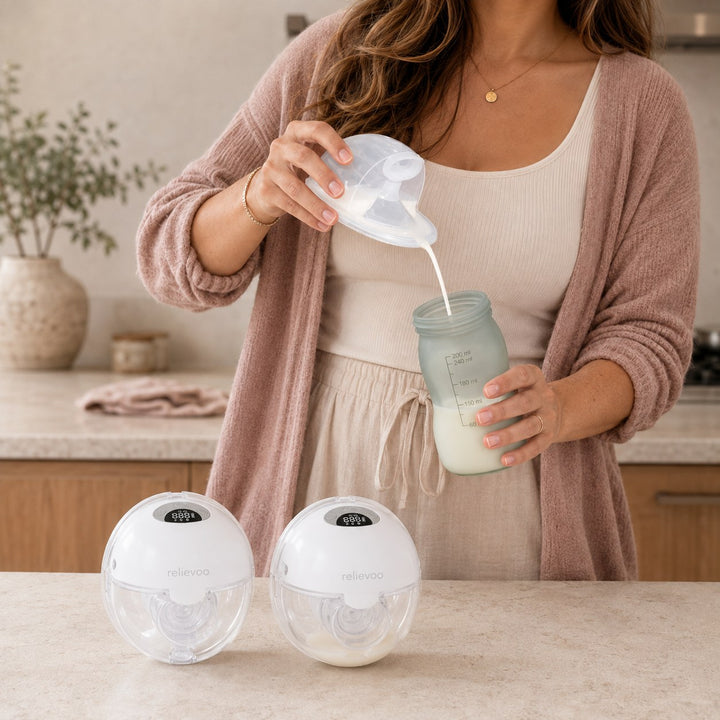
Wearable pumps sit inside your nursing bra, so there are no tubes and no wires to the wall. They are hands-free, which means you can move around, make a cup of tea or sit with an older child while expressing. Brands like Momcozy, Elvie and Willow make wearable pumps, and they have become popular with mums who want discretion and freedom of movement.
Traditional electric pumps with tubing
These are the familiar pumps with a motor unit, a tube and a flange that sits against your breast. Medela and Philips Avent are well-known names in this category. They tend to be reliable and straightforward, and many mums find them effective for regular expressing sessions at home. The main drawback is that you are tethered to the motor while you pump.
Manual pumps
A manual pump works by hand, with no motor at all. Tommee Tippee and Lansinoh both make manual pumps. They are small, quiet and inexpensive, and they are handy for occasional use or for relieving engorgement when you are away from home. The effort is on you, though, so they are less suited to frequent, long sessions.
| Feature | Details |
|---|---|
| Type | Wearable, in-bra, hands-free double electric breast pump (sold as a set of two cups) |
| Modes | 4 — Stimulation, Suction, Massage, Automatic |
| Levels | Up to 12 adjustable levels with intelligent suction & frequency adjustment |
| Controls | On-device LED display + touch buttons (mode, +, −, power), no app, no Bluetooth |
| Materials | BPA-free, food-grade PP and soft medical silicone in the milk path |
What to look for in a milk frother
Whichever type you lean towards, a few factors will shape your experience more than others. Thinking about these before you buy will help you narrow down the options.
Comfort and fit
Comfort is the most personal part of choosing a pump. The flange needs to fit properly, and the suction should feel gentle rather than harsh. A pump that is uncomfortable will be hard to use consistently. If you are unsure about sizing, your public health nurse can help you check the fit.
Noise level
If you plan to express at work, on the sofa while watching a film, or beside your baby's cot at night, noise matters. Wearable pumps are generally designed to be quiet, but traditional electric pumps can vary. A quiet motor makes it easier to relax, and relaxation helps expressing feel less like a chore.
Portability and convenience
Think about where you will actually pump. If you are mostly at home, a traditional electric pump is perfectly practical. If you are travelling, commuting or pumping at work, a wearable pump saves you from carrying a motor and tubes. Manual pumps are the most portable of all, but they ask more of your hands.
Ease of cleaning
Every part that touches milk needs to be washed and sterilised after use. Fewer parts usually means quicker cleaning. Wearable pumps tend to have a simple setup, while traditional pumps with tubing have more pieces to manage.
Comparing the options side by side
To make the differences clear, here is a comparison of the three main types of pump, alongside the Relievoo M22 PRO2 as an example of a wearable option. The other columns describe the type in general terms, because specific numbers vary from model to model.
| Criterion | Wearable in-bra pump | Traditional electric pump | Manual pump | Relievoo M22 PRO2 |
|---|---|---|---|---|
| Hands-free use | Yes, worn inside the bra | No, tethered to the motor | No, requires hand pumping | Yes, worn upright in-bra |
| Discretion | Hidden under clothing | Visible motor and tubing | Small but requires hand action | Discreet, no tubes or wires |
| Modes and levels | Varies by model | Varies by model | None, controlled by hand | 4 modes, up to 12 levels |
| Noise | Generally quiet | Varies, can be noticeable | Silent | Ultra-quiet motor |
| Portability | High, no separate parts | Low, needs a surface and power | Very high | USB-rechargeable, no wall tether |
| Cleaning | Few parts, simple | More parts, including tubing | Few parts, simple | BPA-free, food-grade PP and soft medical silicone in the milk path |
| Best for | Busy mums on the move | Regular home sessions | Occasional or emergency use | Comfort-led, hands-free sessions |
If you would like to see the full details of the Relievoo M22 PRO2, including its massage mode and on-device controls, the product page has everything you need. You can also browse the full range of breast pumps to see what else is available.
What kind of milk works best in a frother?
Breast pumps are designed for expressed breast milk, whether it is freshly expressed or chilled. If you are warming chilled milk before a feed, it is important to do so gently.
Which milk frother makes the hottest milk?
Heating milk to a very high temperature is not the goal when it comes to breast milk. Overheating can destroy some of the nutrients, and it can also make the milk too hot for your baby. The aim is a comfortable feeding temperature, not the hottest possible one. If you need to warm milk while you are out, a cordless bottle warmer holds a steady temperature without needing a power outlet, which is often more practical than trying to heat milk with a pump.
How breast milk is produced
Understanding how milk is made can help you feel more confident about expressing. Milk is produced in response to stimulation and removal, which is why regular expressing or feeding helps maintain supply. The more you express, the more your body gets the signal to produce. La Leche League of Ireland offers support and information for mums who want to learn more.

Choosing the right pump for your routine
There is no single best milk frother for everyone, and that is the honest answer to the question. The right pump depends on your daily life, your comfort and your reasons for expressing. Here is a straightforward guide to who each option suits.
- Choose a wearable in-bra pump if you want hands-free convenience, need to express while looking after other children, or want to pump discreetly at work or while travelling. The Relievoo M22 PRO2 is a comfort-led example, with a dedicated massage mode and no app to manage.
- Choose a traditional electric pump if you mostly express at home, prefer a familiar setup, and do not mind being seated near the motor for the duration of a session. Brands like Medela and Philips Avent are well established in this category.
- Choose a manual pump if you only need to express occasionally, want something small and quiet for emergencies, or are travelling light. Tommee Tippee and Lansinoh both make simple manual options.
- Choose a cordless bottle warmer as a companion if you often need to warm expressed milk while out and about. The Relievoo Cordless Bottle Warmer Pro warms a bottle to a steady feeding temperature without a power outlet, which pairs well with any pump.
Practical considerations for Irish mums
Beyond the pump itself, a few practical points can make expressing easier day to day.
Cleaning and sterilising
Cleaning your pump properly is essential for your baby's health. Wash every part that touches milk in warm soapy water after each use, rinse well and allow to air dry. If you are unsure about the best way to clean your specific pump, the step-by-step guide to cleaning a breast pump on the Relievoo blog covers the basics clearly.
Pumping at work
If you are returning to work and plan to express there, a wearable pump can make the whole process far less stressful. You can pump at your desk or in a quiet corner without needing to plug into a wall or carry a motor. The guide to pumping at work in Ireland has practical tips for managing the routine.
Getting the right fit
A comfortable pump starts with the right flange size. If the flange does not fit well, expressing can be uncomfortable and less effective. Your public health nurse can help you check the fit, and there are detailed guides on finding the right flange size for different pump brands on the Relievoo blog.
Final verdict
Choosing the best milk frother in Ireland comes down to matching the pump to your life, not to a list of features. A wearable pump like the Relievoo M22 PRO2 offers the most freedom, with hands-free use, a quiet motor and a massage mode for comfort. A traditional electric pump is a dependable choice for home-based sessions, and a manual pump is a simple, portable backup.
Take your time, think about where and how often you will express, and do not be afraid to ask for help. Your public health nurse, midwife or GP can offer personal advice, and organisations like Cuidiú, La Leche League of Ireland and Friends of Breastfeeding are there to support you. If you have questions about a specific pump, Relievoo customer service is happy to help. You can also browse the full collection of breast pumps to compare your options at your own pace.
Frequently asked questions
Which is the best milk frother?
There is no single best milk frother for everyone. The right choice depends on your routine, your comfort and where you plan to express. Wearable in-bra pumps suit mums who want hands-free convenience, traditional electric pumps are familiar and reliable, and manual pumps are simple and portable.
What kind of milk works best in a frother?
Milk frothers are designed to work with expressed breast milk. Freshly expressed milk and chilled milk both work well, though you may need to warm chilled milk gently first. Always follow the current advice from the HSE on storing and warming breast milk.
Which milk frother makes the hottest milk?
Heating expressed breast milk safely matters more than reaching a high temperature. The HSE advises warming milk gently and never overheating it. If you need to warm milk while out and about, a cordless bottle warmer can hold a steady feeding temperature without the need for a power outlet.
How do I clean my milk frother?
Clean every part that touches milk after each use. Wash the cups and collectors with warm soapy water and rinse well, then allow them to air dry. For full guidance on sterilising and cleaning, follow the current advice from the HSE and your pump's instruction manual.
Can I use my milk frother for other purposes?
A breast pump is designed for expressing milk, so it is best to use it only for that purpose. Using it for other liquids could damage the device or affect hygiene. If you need to warm milk or other drinks, a dedicated bottle warmer is a safer and more practical option.