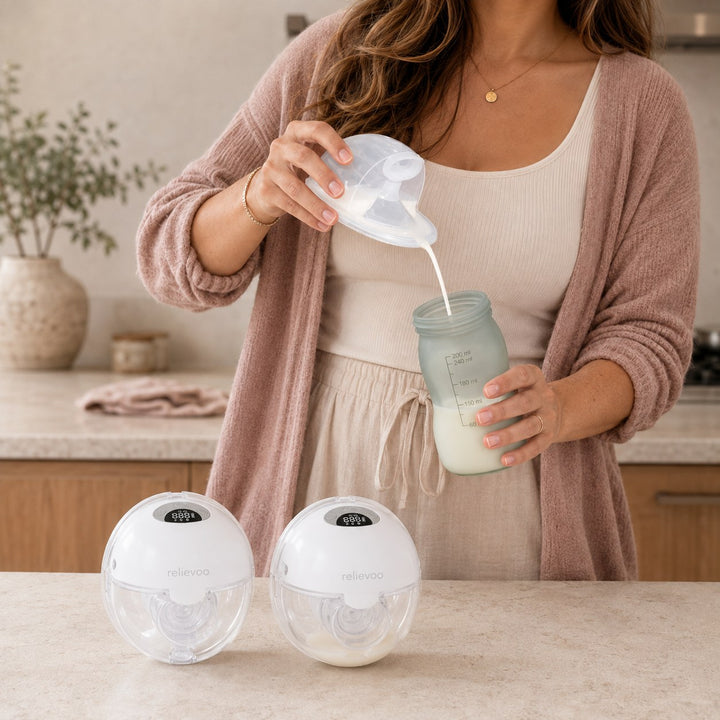
Best Wearable Breast Pump for Large Breasts: A Practical Comparison
Short answer The best wearable breast pump for large breasts is one that fits securely inside your bra, offers adjustable suction and feels comfortable for your body. Wearable in-bra pumps are popular because they are hands-free and discreet, but traditional electric pumps with tubing can offer a more established fit. Compare the options to find what suits you.
Finding the best wearable breast pump for large breasts can feel like a bit of a hunt. Many pumps are designed with a one-size approach, and if you have a larger bust, you might worry about fit, comfort and whether the pump will stay in place. This guide is for mums who want to compare their options clearly, so you can decide which type of pump suits your body and your daily routine.

Why fit matters more when you have a larger bust
When you are looking for a wearable breast pump for large breasts, the first thing to think about is how the pump sits inside your bra. A pump that is too small or too light can shift around, which makes it harder to get a good seal and can reduce your comfort during a session. A pump that is too heavy can pull on your chest and feel uncomfortable over time.
It is also worth remembering that breast size is not the same as flange size. The flange is the part that goes over your nipple, and getting that right is one of the most important steps for comfortable expressing. Our guide on choosing the right flange size walks through how to measure and what to look for. For general support with breastfeeding and expressing, the Australian Breastfeeding Association is a wonderful place to start.
| Feature | Details |
|---|---|
| Type | Wearable, in-bra, hands-free double electric breast pump (sold as a set of two cups) |
| Modes | 4 — Stimulation, Suction, Massage, Automatic |
| Levels | Up to 12 adjustable levels with intelligent suction & frequency adjustment |
| Controls | On-device LED display + touch buttons (mode, +, −, power), no app, no Bluetooth |
| Materials | BPA-free, food-grade PP and soft medical silicone in the milk path |
The main types of breast pumps
Before you settle on a specific pump, it helps to understand the three main types available. Each has its own strengths, and the right one for you depends on how you plan to use it.
Wearable in-bra pumps
Wearable pumps sit inside your nursing bra, so there are no tubes and no cords. They are hands-free, which means you can move around, get a drink or even fold the laundry while you express. Brands like Momcozy, Elvie and Willow make wearable pumps, and they have become very popular for mums who want flexibility.
For larger breasts, the key is finding a wearable pump that feels secure and sits comfortably. The Relievoo M22 PRO2 is a hands-free, in-bra double pump with four modes and up to twelve soft levels. It has a massage mode to help with engorgement and a quiet motor, which is handy for night sessions. It is designed to be worn upright in the bra for a tidy, spill-resistant fit.
Traditional electric pumps with tubing
Traditional electric pumps use a motor that sits on the table, connected to the breast shields by tubing. Brands like Medela and Philips Avent make this style of pump. They are often seen as reliable and are widely available, and many mums find them easy to use at home.
With a larger bust, a traditional pump can be easier to position because you can hold the shield in place while you lean forward slightly. The downside is that you are tethered to the motor, so you cannot move around as freely. Some mums use a hands-free pumping bra with these pumps to free up their hands.
Manual pumps
Manual pumps are operated by hand, usually with a handle that you squeeze to create suction. Brands like Lansinoh and Tommee Tippee make manual pumps. They are small, quiet and have no motor, which makes them handy for occasional use or for expressing one side while your baby feeds from the other.
For larger breasts, a manual pump can be a good backup option, but it is not practical for regular, full pumping sessions because your hand gets tired. Most mums find an electric pump, whether wearable or traditional, much easier for daily use.
Comparing the options side by side
To make the decision easier, here is a simple comparison of the three main types of pumps. The Relievoo column uses the features of the M22 PRO2, while the other columns describe the type in general terms.
| Criterion | Wearable in-bra (Relievoo M22 PRO2) | Traditional electric with tubing | Manual |
|---|---|---|---|
| Hands-free | Yes, worn inside the bra | No, you are connected to the motor by tubing | No, you need one hand to operate it |
| Modes and levels | 4 modes and up to 12 levels | Usually a few modes and adjustable suction | Suction controlled by your hand |
| Discreet to wear | Yes, sits inside the bra | No, the motor is visible on the table | Small but still visible |
| Ease of positioning for larger busts | Secure in-bra fit, worn upright | Easy to hold the shield in place | Requires holding the shield against the breast |
| Noise level | Ultra-quiet motor | Motor makes some noise | Very quiet |
| Portability | High, no tubes or cords | Low, needs a power source | High, small and light |
| Best for | Mums who want to move around while pumping | Mums who prefer a traditional, established setup | Occasional use or as a backup |
How to choose the right pump for your body
When you are comparing pumps, there are a few practical things to consider beyond the type. These will help you narrow down the options and feel confident in your choice.
Check the fit inside your bra
A wearable pump needs to sit comfortably inside your nursing bra without digging in or slipping. If you have a larger bust, look for a pump that is worn upright and has a shape that follows your body. The M22 PRO2 is designed to sit upright in the bra for a tidy fit, which can help with stability.
Think about how you will use it
Are you planning to pump mostly at home, at work or on the go? If you want to move around, a wearable pump is a clear winner. If you are happy to sit at a table for each session, a traditional pump might suit you fine. Our guide on hands-free breast pumps in Australia goes into more detail on this.
Consider the suction and comfort
Every mum is different, and the suction level that feels right for you might not be right for someone else. Look for a pump with adjustable levels so you can find your own comfort zone. The M22 PRO2 offers four modes across twelve levels, including a massage mode for when you feel tender or engorged.

What about pumping at work or away from home?
If you are returning to work, a wearable pump can make a big difference. There is no need to find a private room with a power point, and you can express while you keep working at your desk if that feels appropriate. Our step-by-step guide on pumping at work in Australia explains your rights and how to plan your routine.
For more general information on expressing and storing breast milk, the Raising Children Network has practical advice for Australian families. It is always a good idea to follow current guidance on storage times and handling, and to ask your child and family health nurse if you have any concerns.
Verdict: who each option suits best
There is no single best wearable breast pump for large breasts that suits every mum. The right choice depends on your lifestyle, your comfort and how often you plan to pump. Here is a clear breakdown of who each option suits.
- Choose a wearable in-bra pump like the Relievoo M22 PRO2 if you want to be hands-free, move around during sessions and express discreetly at home, at work or while travelling. It is a good fit if you value quiet operation and adjustable comfort.
- Choose a traditional electric pump with tubing if you prefer a well-established style of pump, are happy to sit at a table for each session and want the motor to sit separately from your body. It can be easier to position the shield if you have a larger bust.
- Choose a manual pump if you only need to express occasionally, want a small backup option or are expressing one side while your baby feeds from the other. It is not ideal for regular full sessions.
If you are still unsure, it can help to look at the full range of breast pumps available from Relievoo and compare the features side by side. You can also talk to your midwife, your child and family health nurse or the Australian Breastfeeding Association helpline for personalised advice.
Final thoughts
Choosing a breast pump is a personal decision, and there is no right answer that works for everyone. The most important thing is that you feel comfortable and confident with your choice. Take your time, compare the options and remember that you can always adjust your routine as you go. Whether you choose a wearable pump for its convenience or a traditional pump for its familiar design, the best pump is the one that makes expressing feel a little easier for you.
Frequently asked questions
What is the best wearable breast pump for large breasts?
The best wearable breast pump for large breasts is one that sits securely in your bra, offers adjustable suction levels and feels comfortable for your shape. Wearable in-bra pumps like the Relievoo M22 PRO2 are hands-free and discreet, which many mums appreciate. The right choice depends on your body, your routine and how often you plan to pump.
How does a wearable breast pump work?
A wearable breast pump sits inside your nursing bra, with the collection cup against your breast. It uses gentle suction to express milk, often with different modes for stimulation and expression. Most wearable pumps are battery-powered and rechargeable, so there are no tubes or cords to manage. You can read more about how pumps work on the Australian Breastfeeding Association website.
What breast pump should I get for larger breasts?
For larger breasts, look for a pump with a secure in-bra fit, adjustable suction and a design that feels stable. Wearable pumps are convenient but some mums find traditional electric pumps with tubing easier to position. It is worth trying different flange sizes and styles to see what feels comfortable for you.
How long should a breast pump session last?
The length of a pumping session can vary from mum to mum and depends on your milk flow and comfort. It is best to follow the current advice from a trusted source like the Australian Breastfeeding Association or your child and family health nurse. Generally, you would pump until your breasts feel comfortable and well drained.
Can you pump colostrum with a breast pump?
Yes, many mums express colostrum in the days after birth, but it is often easier to hand express small amounts at first. A breast pump can be used once your milk comes in and your breasts feel fuller. If you have questions about expressing colostrum, talk to your midwife or a lactation consultant.