The Best Way to Clean a Breast Pump: A Step-by-Step Guide for Kiwi Mums
Introduction to Breast Pump Cleaning
As a Kiwi mum, it's essential to prioritize your baby's health and safety, especially when it comes to breastfeeding. According to Plunket, proper breast pump cleaning and maintenance are crucial to prevent the growth of bacteria and other microorganisms, which can lead to illnesses like mastitis or thrush. In fact, Plunket recommends cleaning your breast pump after every use to prevent contamination. In this article, we'll guide you through the best way to clean a breast pump, including tips for cleaning on-the-go and at work, so you can feel confident and prepared, whether you're expressing at home, in the office, or on a walk along Auckland's waterfront.
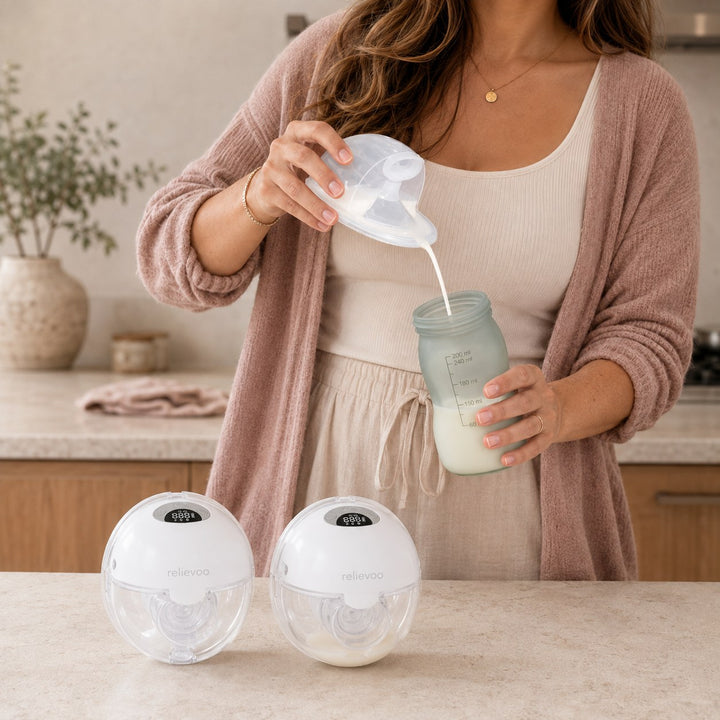
This breast pump is a game-changer for busy mums who want to express milk easily and discreetly, whether at home, in the office, or on-the-go.
Step-by-Step Guide to Cleaning Your Breast Pump
Best Way to Clean Breast Pump Parts
Cleaning your breast pump parts is a straightforward process. Here's a step-by-step guide:
- Rinse the breast pump parts with cool water to remove any milk residue, making sure to get rid of any visible milk droplets.
- Soak the parts in a mixture of warm water and mild soap, such as dish soap or baby bottle soap, for 5-10 minutes. You can use a basin or a large bowl, and make sure the water is not too hot, as this can damage the parts.
- Use a soft-bristled brush to scrub away any stubborn milk residue or bacteria, paying particular attention to any small crevices or holes. You can also use a toothbrush to get into tight spaces.
- Rinse the parts thoroughly with cool water, making sure to remove any soap residue.
- Dry the parts with a clean towel, paying extra attention to any areas with small crevices or holes, where moisture can collect.
Best Way to Clean Breast Pump Tubing
Cleaning your breast pump tubing is just as important as cleaning the other parts. Here's how:
- Run a mixture of equal parts water and white vinegar through the tubing to remove any milk residue or bacteria. You can use a syringe or a small cup to flush the tubing.
- Use a tubing brush to scrub away any stubborn debris, making sure to get into the small crevices and holes. You can also use a pipe cleaner to help remove any blockages.
- Rinse the tubing thoroughly with cool water, making sure to remove any vinegar residue.
- Dry the tubing with a clean towel, paying extra attention to any areas with small crevices or holes, where moisture can collect.
Cleaning Your Breast Pump On-the-Go
Best Way to Clean Breast Pump on the Go
Cleaning your breast pump on-the-go can be challenging, but there are a few tips to make it easier:
Use a portable breast pump cleaning kit that includes a small brush, soap, and rinse water. You can also use baby wipes to clean the breast pump parts, but make sure to rinse them thoroughly with cool water afterwards. I always recommend carrying a small supply of breast pump cleaning essentials in your nappy bag or backpack, so you're prepared wherever you are.
Easiest Way to Clean Breast Pump Parts
The easiest way to clean breast pump parts is to soak them in a mixture of warm water and mild soap. This will help loosen any milk residue or bacteria, making it easier to scrub and rinse the parts. You can also use a breast pump cleaning bag or a microwave-safe container to sterilize the parts, making it easy to clean and sanitize your breast pump on-the-go.

Cleaning Your Breast Pump at Work
Best Way to Clean Breast Pump at Work
Cleaning your breast pump at work can be challenging, but it's essential to maintain your baby's health and safety. According to the Health New Zealand – Te Whatu Ora, employers must provide reasonable breaks and appropriate facilities for breastfeeding employees, including access to a clean and private space for expressing and storing breastmilk. Here are a few tips for cleaning your breast pump at work:
Use a small, portable breast pump cleaning kit that includes a small brush, soap, and rinse water. You can also use the office sink to rinse the breast pump parts, but make sure to dry them thoroughly with a clean towel afterwards. If you're expressing at work, consider storing your breastmilk in a cooler bag with ice packs to keep it fresh and safe until you can refrigerate or freeze it.
Common Mistakes to Avoid
Should You Clean Breast Pump After Every Use
Yes, it's essential to clean your breast pump after every use to prevent the growth of bacteria and other microorganisms. Failure to do so can lead to breast pump contamination, which can harm your baby's health. In fact, the Ministry of Health NZ recommends cleaning and sterilizing breast pump parts after every use to prevent the transmission of infections.
For more information on breastfeeding and breast pump maintenance, visit the Ministry of Health NZ website or read our guide on Finding the Best Wearable Breast Pump in New Zealand: A Comprehensive Guide. You can also contact Plunket or your local healthcare provider for personalized advice and support.

If you are comparing options, you can take a look at our wearable breast pump M22 PRO2 or browse all our breast pumps.
Frequently Asked Questions
Here are some frequently asked questions about breast pump cleaning:
-
Q: What is the best way to clean a breast pump?
A: The best way to clean a breast pump is to rinse the parts with cool water, soak them in a mixture of warm water and mild soap, scrub away any stubborn milk residue or bacteria, rinse the parts thoroughly, and dry them with a clean towel. -
Q: What can I use to clean my breast pump?
A: You can use a mild soap and warm water to clean your breast pump parts. Avoid using harsh chemicals or abrasive materials that can damage the parts. -
Q: How often should I clean my breast pump?
A: You should clean your breast pump after every use to prevent the growth of bacteria and other microorganisms. -
Q: Do I need to sterilize my breast pump parts?
A: Yes, it's essential to sterilize your breast pump parts regularly to prevent the growth of bacteria and other microorganisms. You can use a breast pump sterilization kit or boil the parts in water for 5-10 minutes. -
Q: Can I use a dishwasher to clean my breast pump parts?
A: No, it's not recommended to use a dishwasher to clean your breast pump parts. The high heat and harsh chemicals can damage the parts or cause them to become discolored.
Get your Wearable Hands-Free Breast Pump PRO2 (Double) today and experience the convenience and comfort of a high-quality breast pump! With proper cleaning and maintenance, you can enjoy a safe and successful breastfeeding journey, and provide the best possible start for your baby.