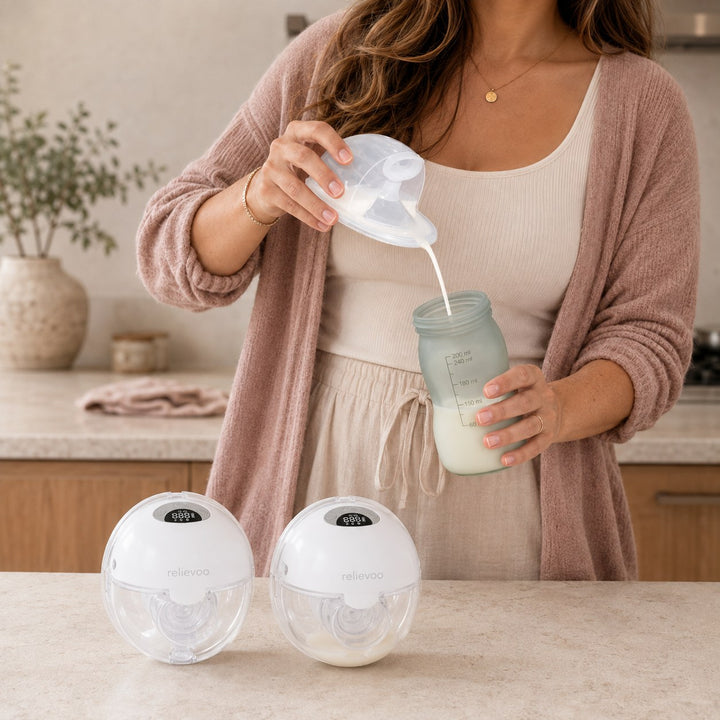
Introduction to Wearable Breast Pumps
As a lactation consultant, I've seen many Austin-area moms struggle with traditional breast pumps, which can be bulky and uncomfortable to wear. That's why I'm excited to share with you the benefits of wearable breast pumps, like the Wearable Breast Pump (Double), which is available for $169.90, a significant discount from its original price of $339.80. With the CDC recommending exclusive breastfeeding for the first six months of life, wearable breast pumps can be a game-changer for moms who want to stick to this recommendation.

What is a Wearable Breast Pump?
A wearable breast pump is a type of breast pump that can be worn under your clothes, allowing you to express milk discreetly and easily. According to the CDC, breastfeeding is one of the most effective ways to ensure your baby's health and well-being, with benefits including a lower risk of SIDS, obesity, and type 2 diabetes. In fact, the CDC reports that breastfeeding can lower the risk of SIDS by 73%.
How Do Wearable Breast Pumps Work?
Wearable breast pumps work by using gentle suction to express milk from your breasts. They are typically small, lightweight, and easy to use, with some models featuring lab-tested, BPA-free parts. Some popular brands of wearable breast pumps include Elvie, Medela, and Spectra, which offer a range of features such as adjustable suction settings and rechargeable batteries.
Step-by-Step Guide to Using a Wearable Breast Pump Paruu
- Assemble the pump according to the manufacturer's instructions, making sure all parts are securely attached and the suction settings are adjusted to your comfort level.
- Place the pump in your bra, making sure it is comfortable and secure, with the flanges fitted snugly over your nipples.
- Turn on the pump and adjust the suction to a comfortable level, usually between 10-20 mmHg, depending on your personal preference and the pump's settings.
- Express milk for the recommended amount of time, usually 10-15 minutes per breast, or until you feel your breasts are empty.
- Store the expressed milk in a clean, sterile container, such as a glass or BPA-free plastic bottle, and label it with the date and time it was expressed.
Common Mistakes to Avoid
One common mistake moms make when using a wearable breast pump is not properly sterilizing the pump and its parts, which can lead to infection and other complications. Make sure to follow the manufacturer's instructions for sterilization and maintenance, and wash your hands thoroughly before handling the pump or expressed milk.
Are Wearable Breast Pumps Worth It?
According to the American Academy of Pediatrics, breastfeeding is recommended for at least the first six months of life, and wearable breast pumps can make it easier for moms to stick to this recommendation, even when they return to work or are on-the-go. In fact, a study published in the Journal of Human Lactation found that moms who used wearable breast pumps were more likely to meet their breastfeeding goals than those who used traditional pumps.
I'll never forget the mom who came to my office in tears, frustrated with her traditional breast pump and feeling like she was going to have to give up breastfeeding. I recommended a wearable breast pump, and she was amazed at how easy and discreet it was to use. She was able to express milk during meetings and while running errands, and her baby thrived on the expressed milk. She told me that the wearable breast pump was a "game-changer" for her, and she was able to breastfeed for a full year.

Benefits of Using a Wearable Breast Pump
Wearable breast pumps offer many benefits, including convenience, discretion, and ease of use. They are also often more comfortable than traditional breast pumps, which can be bulky and uncomfortable to wear. Additionally, wearable breast pumps can help moms express milk more efficiently, with some models featuring advanced suction technology and customizable settings.
How to Choose the Right Wearable Breast Pump
When choosing a wearable breast pump, consider factors such as suction power, comfort, and ease of use. You may also want to read reviews and talk to other moms who have used the pump to get a sense of its effectiveness and any potential drawbacks. Look for pumps with lab-tested, BPA-free parts and adjustable suction settings, and consider the pump's battery life and rechargeability.
Conclusion
In conclusion, wearable breast pumps are a great option for moms who want to express milk easily and discreetly. By following the steps outlined in this guide, you can get started with using a wearable breast pump Paruu and enjoy the many benefits it has to offer. For more information on breastfeeding and pumping, check out our article on Best Portable Bottle Warmer for Breastmilk and Formula. Consider purchasing the TheRelievoo Wearable Pump for your breastfeeding needs, and join the thousands of moms who have already made the switch to wearable breast pumps.

Frequently Asked Questions
-
Q: How do I use a wearable breast pump Paruu?
A: To use a wearable breast pump Paruu, follow the steps outlined in this guide, including assembling the pump, placing it in your bra, and expressing milk. -
Q: What is a wearable breast pump?
A: A wearable breast pump is a type of breast pump that can be worn under your clothes, allowing you to express milk discreetly and easily. -
Q: How do wearable breast pumps work?
A: Wearable breast pumps work by using gentle suction to express milk from your breasts. -
Q: Are wearable breast pumps worth it?
A: Yes, wearable breast pumps are worth it for many moms, offering convenience, discretion, and ease of use, and can help moms meet their breastfeeding goals. -
Q: How do I choose the right wearable breast pump?
A: When choosing a wearable breast pump, consider factors such as suction power, comfort, and ease of use, and look for pumps with lab-tested, BPA-free parts and adjustable suction settings. -
Q: Can I use a wearable breast pump at work?
A: Yes, wearable breast pumps are designed to be discreet and easy to use, making them a great option for moms who need to express milk at work, and can be used in a variety of settings, from offices to coffee shops.
Written by Jessica Nolan, IBCLC
International Board Certified Lactation Consultant (Austin, Texas)
Jessica is an IBCLC and mom of two based in Austin, Texas. Since 2018 she has supported 500+ American families with breastfeeding, pumping and the return-to-work transition, and writes all TheRelievoo USA guides in-house with the product team. She is a member of the United States Lactation Consultant Association (USLCA) and works alongside local La Leche League USA groups.
Clinically reviewed by Dr. Rachel Adams, MD, FAAP (Austin, Texas)