A Step-by-Step Guide to Storing Breast Milk: NHS Recommendations
Introduction to Storing Breast Milk
In this article, we will delve into the step-by-step guide to storing breast milk, including how to express, store, and thaw breast milk, in accordance with NICE guidelines (CG30 and CG93).
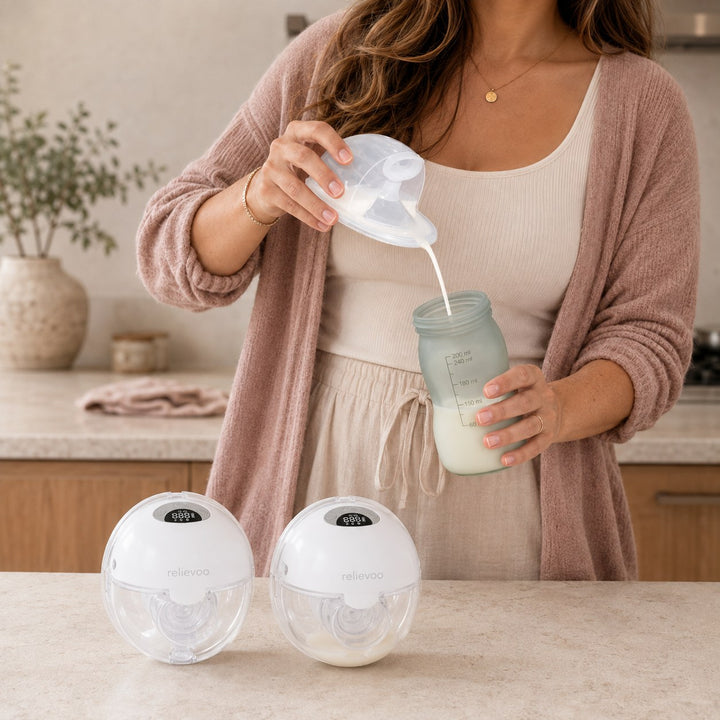
For mothers who are expressing breast milk regularly, a good breast pump is essential. This pump is particularly useful for mothers who need to express milk while on-the-go, such as during their daily commute on the London Underground.
Step-by-Step Guide to Storing Breast Milk
Step 1: Expressing Breast Milk
Before storing breast milk, it's essential to express it safely and hygienically. Wash your hands thoroughly with soap and warm water, and use a clean breast pump or expression method. Ensure that your pump is properly sterilised, and that you are expressing in a clean and comfortable environment, such as a dedicated breastfeeding room or a quiet corner in your home.
Step 2: Storing Breast Milk
Once expressed, breast milk can be stored in the fridge or freezer. The NHS recommends storing breast milk in airtight containers or breast milk storage bags, such as those provided with the TheRelievoo Wearable Pump. It's crucial to store breast milk in a container that is specifically designed for breast milk storage, as these containers are designed to preserve the quality and safety of the milk.
Step 3: Labeling and Dating Breast Milk
It's vital to label and date each container or bag of breast milk, including the date and time it was expressed. This ensures that the oldest breast milk is used first, reducing the risk of spoilage and maintaining the quality of the milk. Use a permanent marker to label the containers, and consider using a dedicated breast milk storage log to keep track of your expressed milk.
Common Mistakes to Avoid
When storing breast milk, there are common mistakes to avoid. These include:
- Not labeling or dating breast milk containers, which can lead to confusion and potential spoilage
- Storing breast milk at room temperature for too long, which can cause bacterial growth and contamination
- Not using airtight containers or breast milk storage bags, which can compromise the quality and safety of the milk
For more information on breastfeeding and breast milk storage, visit the NHS website or the NCT website, which provide comprehensive guidance and support for breastfeeding mothers.

NHS Guidelines for Storing Breast Milk
The NHS provides guidelines for storing breast milk, including:
For more information, visit the NHS website, which provides detailed guidance on breast milk storage and handling.
Thawing and Using Stored Breast Milk
Thawing Frozen Breast Milk
To thaw frozen breast milk, place it in the fridge overnight or thaw it quickly by submerging the container or bag in cold water. Never thaw breast milk at room temperature or in warm water, as this can cause bacterial growth and contamination. Once thawed, breast milk can be used immediately or stored in the fridge for up to 24 hours.
Using Stored Breast Milk
Once thawed, breast milk can be used to feed your baby. Ensure that the milk is at room temperature or slightly warmed before feeding, and always check the milk for any signs of spoilage before use. If you notice any unusual odours, colours, or textures, discard the milk and consult with your healthcare provider or a lactation consultant.
Conclusion
In conclusion, storing breast milk safely and effectively is crucial for mothers who are expressing breast milk regularly. By following the NHS guidelines and using a good breast pump, such as the TheRelievoo Wearable Pump, mothers can ensure that their breast milk is stored safely and hygienically. For more information on breastfeeding and breast milk storage, visit the NHS website or the NCT website. You can also read our guide on Finding the Best Postpartum Belly Band UK or Breast Pump NHS: A Step-by-Step Guide to Choosing the Best Pump.
Get started today with the TheRelievoo Wearable Pump, available with free Royal Mail tracked delivery, 30-day money-back guarantee, and lifetime warranty.

If you are comparing options, you can take a look at our wearable breast pump M22 PRO2 or browse all our breast pumps.
Frequently Asked Questions
-
Q: How long can breast milk be stored in the fridge?
A: Breast milk can be stored in the fridge for up to 5 days, as recommended by the NHS.
-
Q: Can breast milk be stored at room temperature?
A: No, breast milk should not be stored at room temperature for more than 6 hours, as this can cause bacterial growth and contamination.
-
Q: How do I thaw frozen breast milk?
A: Frozen breast milk can be thawed by placing it in the fridge overnight or by submerging the container or bag in cold water.
-
Q: Can I use stored breast milk after the expiration date?
A: No, it's not recommended to use stored breast milk after the expiration date, as this can compromise the quality and safety of the milk.
-
Q: What is the best way to store breast milk?
A: The best way to store breast milk is in airtight containers or breast milk storage bags, such as those provided with the TheRelievoo Wearable Pump, and following the NHS guidelines for storage and handling.
-
Q: Where can I find more information on breastfeeding and breast milk storage?
A: You can find more information on breastfeeding and breast milk storage on the NHS website or the NCT website, which provide comprehensive guidance and support for breastfeeding mothers.