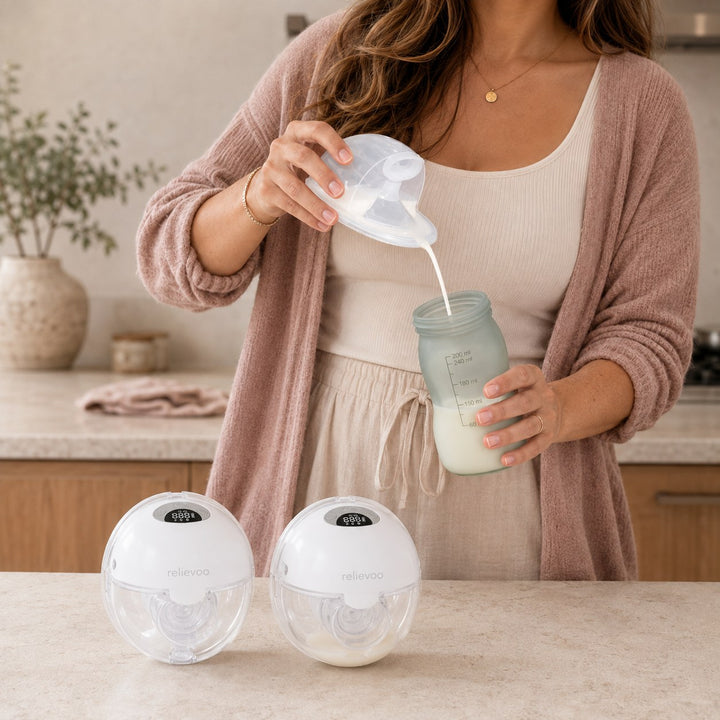
What's the Best Wearable Breast Pump?
Short answer The best wearable breast pump depends on how you plan to use it. Wearable in-bra pumps offer hands-free convenience and discretion, traditional electric pumps are reliable for frequent, full sessions at home, and manual pumps suit occasional use. Consider comfort, portability and how often you will pump.
If you are asking what the best wearable breast pump is, you are likely trying to balance feeding your baby with the rest of your day. This guide is for mums in Ireland who want to compare their options clearly, without the marketing noise. We will look at the main types of pumps, how they work, and who each one suits best, so you can make a confident choice for your own routine.

Understanding the different types of breast pumps
Before deciding on the best wearable breast pump for you, it helps to understand the three main categories available. Each type serves a different purpose, and your lifestyle will often point you towards one over the others.
Wearable in-bra pumps
These are the pumps that sit discreetly inside your nursing bra. They are cordless, hands-free and designed to let you move around while expressing. Brands like Momcozy, Elvie and Willow make wearable pumps, and they have become popular for mums who need flexibility during the day. The main advantage is freedom: you can answer the door, make a cup of tea or sit with your older child while pumping.
Traditional electric pumps with tubing
These are the classic electric pumps that connect to a motor with tubing and bottles. Medela and Philips Avent are well-known names in this category. They tend to be reliable workhorses for regular, full pumping sessions, usually at home where you can sit at a table. They often offer strong suction and are widely available, but they tether you to a power socket and make it harder to multitask.
Manual pumps
Manual pumps, such as those from Lansinoh or Tommee Tippee, are simple hand-operated devices. They are lightweight, quiet and inexpensive, and they work well for occasional use, such as relieving engorgement or expressing a small amount when you are away from your baby. They do require effort from your hand, so they are not practical for frequent, full pumping sessions.
| Feature | Details |
|---|---|
| Type | Wearable, in-bra, hands-free double electric breast pump (sold as a set of two cups) |
| Modes | 4 — Stimulation, Suction, Massage, Automatic |
| Levels | Up to 12 adjustable levels with intelligent suction & frequency adjustment |
| Controls | On-device LED display + touch buttons (mode, +, −, power), no app, no Bluetooth |
| Materials | BPA-free, food-grade PP and soft medical silicone in the milk path |
What to look for in a wearable pump
When you narrow your search to wearable pumps, a few features matter more than others. Comfort is the first thing to consider, since you will be wearing the pump against your skin. Look for pumps made from soft, BPA-free materials that feel gentle against tender areas. The Relievoo M22 PRO2, for example, is designed with food-grade PP and soft medical silicone in the milk path, which keeps every part that touches your milk safe and comfortable.
Noise level is another practical concern, especially if you plan to pump at night or during a work call. A quiet motor means you can express without disturbing your baby or drawing attention. Ease of cleaning is also worth thinking about, because you will be washing pump parts regularly. The fewer fiddly pieces, the easier your day will be.
How does a breast pump work?
A breast pump works by creating gentle suction that mimics a baby's suckling rhythm. This stimulation encourages your let-down reflex, allowing milk to flow into the collector. Most electric pumps offer different modes: a stimulation mode with a light, quick rhythm to start, and a suction mode with a deeper, slower rhythm for fuller expression. Some pumps, like the Relievoo Serenity, also include a massage mode to help ease engorgement and discomfort, and an automatic mode that moves between stimulation and suction for you.
Can you breast pump lying down?
Wearable in-bra pumps are designed to sit upright inside your bra, so they are not meant for lying flat. Pumping while sitting upright or slightly reclined is generally more comfortable and helps milk flow. If you want to pump in bed, sit propped up against pillows rather than lying down. For more detailed guidance on positioning and comfort, the HSE has practical information on breastfeeding and expressing.
Comparing your options at a glance
To make the choice easier, here is a side-by-side comparison of the three main pump types. The Relievoo column uses the features of the M22 PRO2, while the other columns describe the type of pump in general terms.
| Feature | Wearable in-bra (Relievoo M22 PRO2) | Traditional electric with tubing | Manual pump |
|---|---|---|---|
| Hands-free | Yes, worn inside your bra | No, you are tethered to the motor | No, you hold it and pump by hand |
| Portability | High, fits in your bra and bag | Low, needs a flat surface and power socket | High, small and lightweight |
| Modes | 4 modes: stimulation, suction, massage, automatic | Usually a few suction levels and a let-down mode | Single, controlled by your hand |
| Noise | Ultra-quiet motor, discreet | Audible motor hum | Very quiet |
| Comfort | Soft medical silicone, massage mode included | Depends on the flange fit | Can tire the hand over time |
| Best for | Mums who need flexibility and discretion | Regular, full sessions at home | Occasional use and quick relief |
How to choose the best wearable breast pump for you
There is no single answer to what the best wearable breast pump is, because the right choice depends on your daily life. Start by asking yourself a few honest questions. How often do you plan to pump? Will you be at home, at work or out and about? Do you need to move around while expressing, or are you happy to sit still for a while?
If you are returning to work or you have other children to care for, a hands-free wearable pump can be a lifesaver. If you only need to express occasionally, a manual pump might be enough. And if you want a reliable pump for frequent sessions at home, a traditional electric pump could be your best bet. For mums with elastic nipples, comfort is especially important, so look for a pump with gentle, adjustable suction levels and a massage mode. If you are unsure about flange sizing, a lactation consultant or your public health nurse can help you find the right fit.
Is a breast pump safe to use?
Yes, breast pumps are safe when used as directed. Choose a pump made from BPA-free, food-grade materials, and clean it thoroughly after each use. If you ever feel pain or have concerns about your milk supply, speak to your public health nurse, midwife or GP. Organisations like Cuidiú and La Leche League of Ireland also offer support and information for breastfeeding mums.

Why pumping is needed
There are many reasons a mum might need a breast pump. You may be returning to work and want to keep providing breast milk for your baby. You might need to relieve engorgement, or your baby may struggle to latch directly. Pumping can also let your partner share feeding duties, giving you a break while your baby still gets the benefits of breast milk. Whatever your reason, having the right pump makes the experience smoother and more comfortable.
Our verdict: who each option suits
Here is a clear breakdown of who each type of pump suits best. Think of this as a starting point, and weigh up what matters most to you.
- Choose a wearable in-bra pump if... you want to pump hands-free while moving around, working or caring for your baby. It is ideal for mums who value discretion and convenience, and who want to express without being tied to a wall socket. The Relievoo M22 PRO2 is a gentle, quiet option with a built-in massage mode for extra comfort.
- Choose a traditional electric pump if... you mostly pump at home and prefer a pump with a long track record. It is a solid choice for regular, full sessions, and it is widely available from brands like Medela and Philips Avent. Just be prepared to sit still while you express.
- Choose a manual pump if... you only pump occasionally, such as for quick relief or a short trip away from your baby. It is lightweight, quiet and simple, but it takes more effort from your hand, so it is not ideal for frequent use.
If you are still weighing up the options, you can browse the full range of breast pumps available from Relievoo to see what fits your routine. There is also a detailed guide on choosing a wearable breast pump in Ireland that you might find helpful.
Final thoughts
Finding the best wearable breast pump is really about finding the pump that fits your life. Take your time, consider how and where you will pump, and do not be afraid to try more than one option. The right pump should feel comfortable, convenient and easy to use, so that expressing becomes a calm part of your day rather than a chore. If you have questions about a specific product, Relievoo customer service is there to help you decide.
Frequently asked questions
How do I choose the best wearable breast pump?
Think about when and where you will pump. If you want to move around, work or care for your baby while expressing, a hands-free wearable pump is a good fit. If you mostly pump at home at a table, a traditional electric pump may suit you better. Consider comfort, noise level and how easy the pump is to clean.
What is the best wearable breast pump for elastic nipples?
Mums with elastic nipple tissue often find that a pump with adjustable suction levels and a gentle massage mode feels more comfortable. It can help to start on a low level and increase gradually. If you are unsure about flange fit, talk to your public health nurse, midwife or a lactation consultant for guidance.
What is the best wearable breast pump for first time mums?
For first time mums, a pump with simple controls and a few clear modes can feel less overwhelming. A wearable pump with an automatic mode that moves between stimulation and suction can be a gentle introduction. Remember that every mum's experience is different, so give yourself time to find what feels right.
Can you breast pump lying down?
Wearable in-bra pumps are designed to sit upright inside your nursing bra, so they are not meant for lying flat. Pumping while sitting upright or slightly reclined is generally more comfortable and helps milk flow. If you want to pump in bed, sit propped up against pillows instead of lying down.
Is a breast pump safe to use?
Yes, breast pumps are safe when used as directed. Choose a pump made from BPA-free, food-grade materials and clean it according to the manufacturer's instructions. If you feel pain or have concerns about your supply, speak to your public health nurse, midwife or GP for advice.